From a calculator in Horten to AI in the cloud.
Broentech didn’t start with a business plan. It started with a teenager who figured out how to program a calculator to solve quadratic equations — and never stopped building from there.
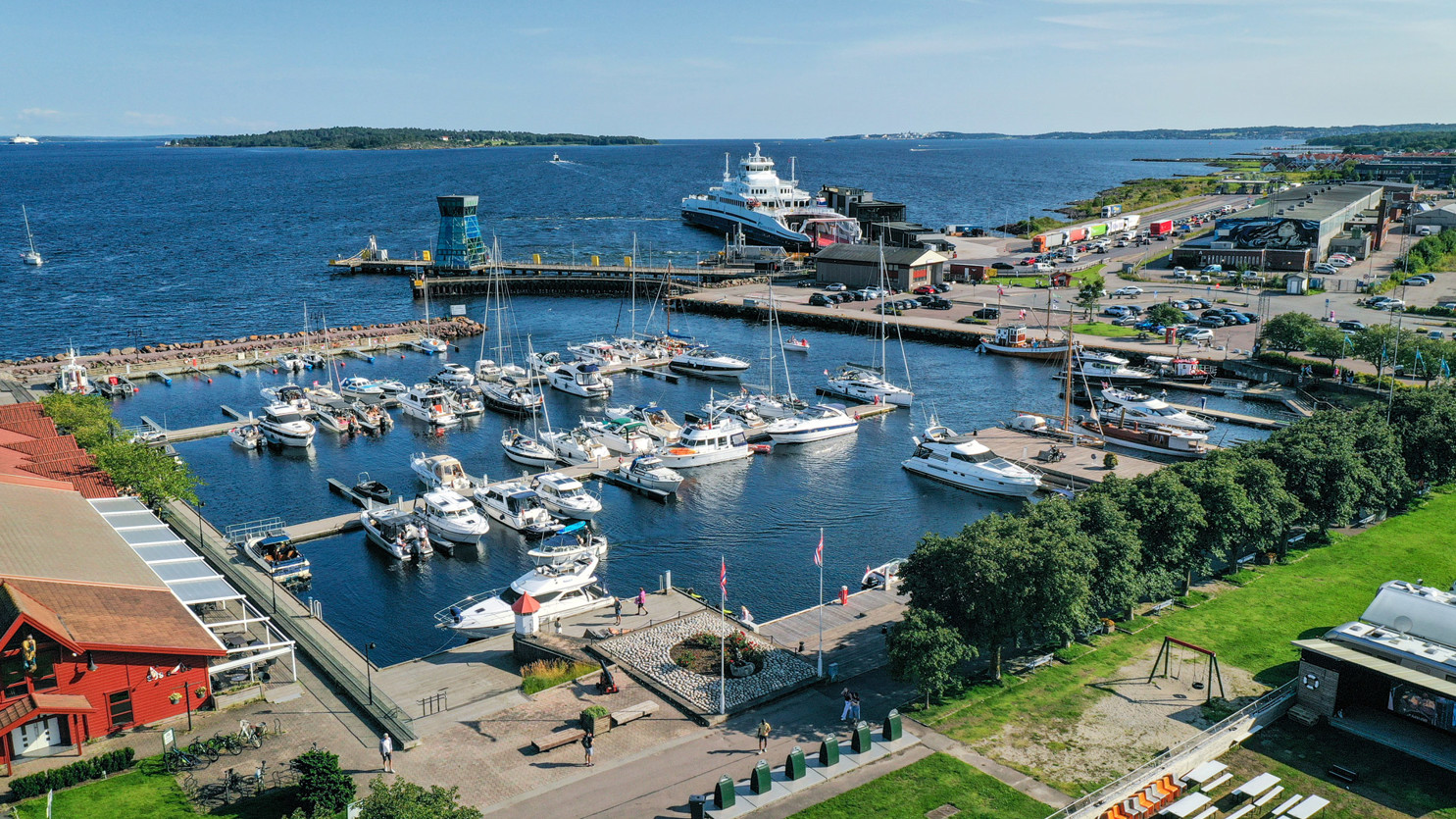
I grew up in Horten — a small town on the Oslo fjord that most Norwegians know for one thing: technology. Horten has been a naval base and engineering hub for over a century, and the density of tech companies here is wildly disproportionate to its size. Kongsberg Maritime, Simrad, Micro Design — the kind of places where serious engineering happens.
After studying physics and microelectronics at the University of Tromsø, I came home. Not because I had a plan, but because I had homesickness. I landed a job as a programmer at Kongsberg Maritime, and for four years I learned what industrial-grade software actually looks like. Sensor systems, embedded code, real-time data — the kind of work where bugs don’t just crash a browser, they cause problems for systems operating in the field.
But I had an itch. I’d been fascinated by programming since secondary school, when I got my first calculator and figured out how to program it to solve second-degree equations. It wasn’t genius — I was a middling student, to be honest. But I loved the feeling of making a machine do something it wasn’t supposed to do. That feeling never went away.
By 2012, the itch had become impossible to ignore.
Broentech was born in 2012. There was no grand pitch deck, no angel investors, no startup accelerator in the beginning. The core idea was deceptively simple: use sensors to trigger events. A motion sensor connected to a camera. A temperature sensor connected to an alert. The kind of thing that was called M2M — Machine to Machine — before the world settled on “Internet of Things.”
I started building a system that could be customised for different use cases, and it turned out other companies were interested. We got hired to implement IoT solutions in their systems.
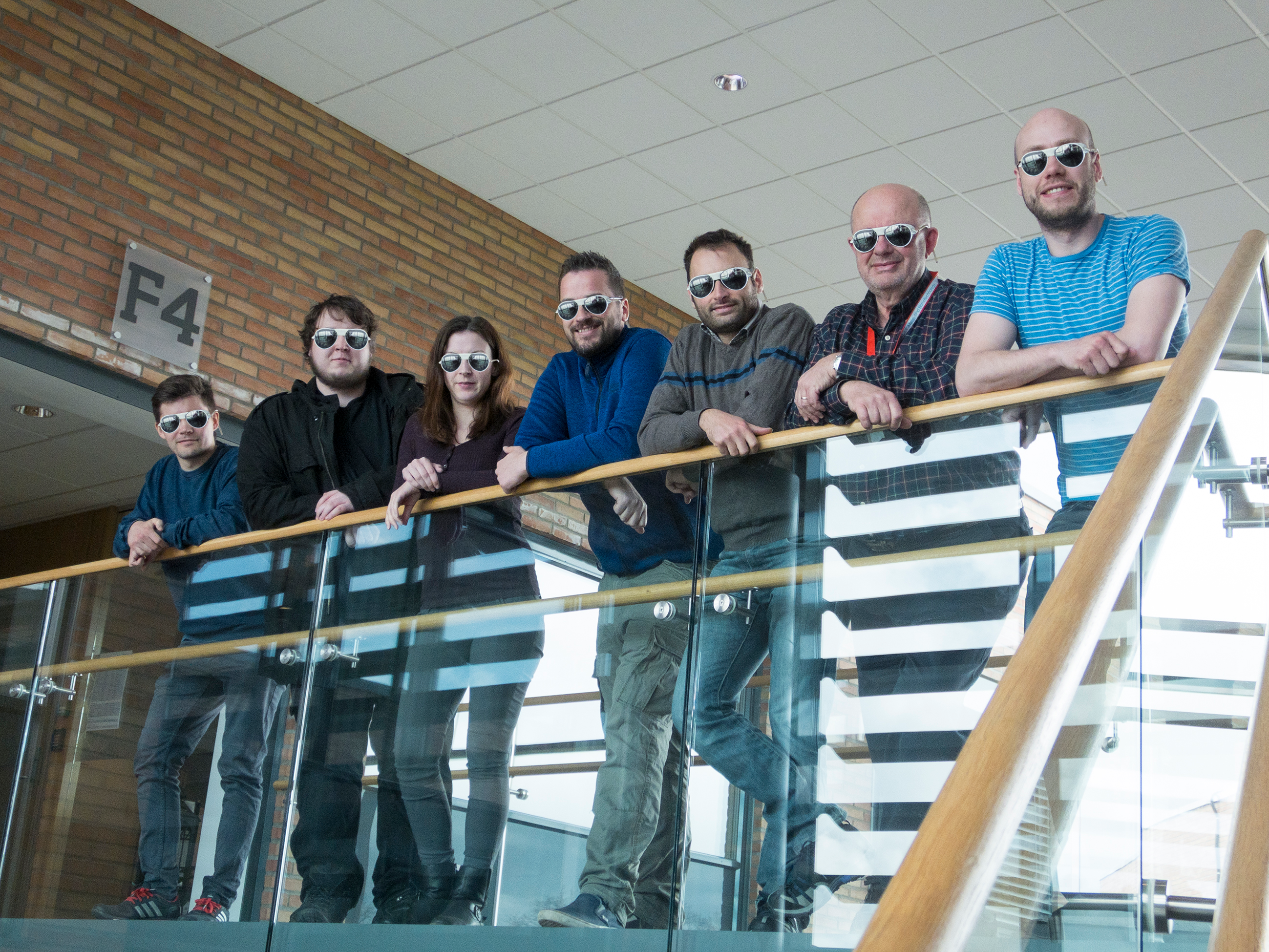
In 2014, the company got a co-founder: Luca Petricca, an Italian-Norwegian engineer with a PhD in micro and nano technologies from the University of South-Eastern Norway. Luca had built one of the world’s smallest autopilot systems for drones during his doctoral work, and he brought deep hardware and data science expertise. Together, we incorporated Broentech Solutions AS — Luca as CTO, me as CEO.
The early years were lean. We were helped enormously by the people and institutions around us: Silicia — Vestfold Technology Incubator, StartupLab in Oslo, Innovasjon Norge, Horten municipality, Vestfold county, family, friends, and a handful of local enthusiasts who believed in what we were doing before we had much to show for it. I’ve never forgotten that support, and I’ve tried to pay it forward ever since.
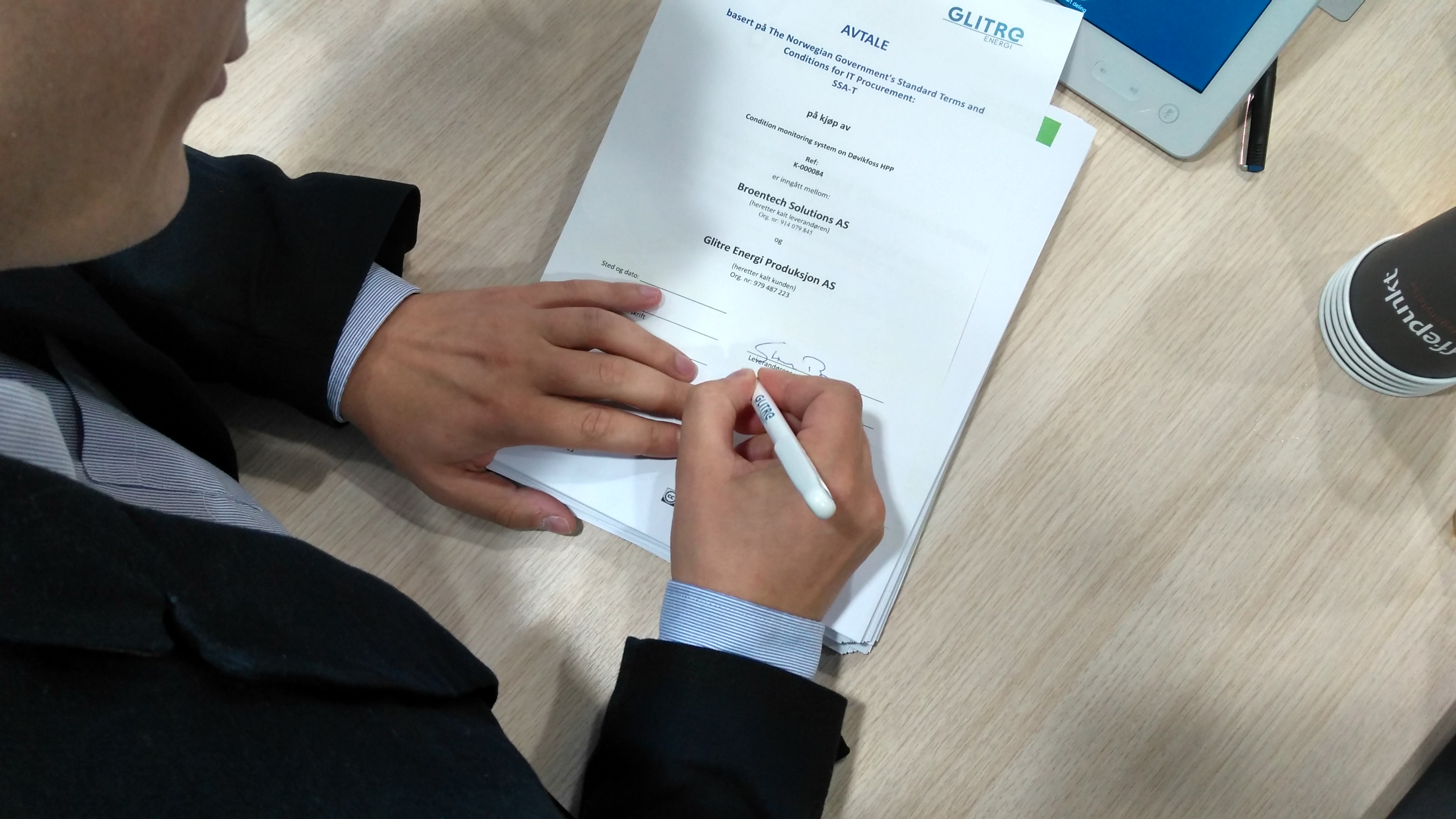
In 2016, Glitre Energi — one of Norway’s major hydropower producers — put out a tender for a condition monitoring system. They were looking for software that could ingest high-frequency sensor data from their power plants and turn it into something their operators could actually use for maintenance planning.
It was exactly the kind of problem Broentech was built to solve. We bid on the contract and won it — largely because we could demonstrate a working prototype that mapped directly to their requirements, not just a slide deck.
That moment changed the trajectory of the company. But what made it truly significant wasn’t just winning — it was what we negotiated during the contracting phase. We secured the right to retain the commercial rights to the technology we built. That meant we could serve Glitre while simultaneously developing a product we could sell to the entire industry.
That product became Tyde.
Tyde was a cloud-based decision support system built specifically for hydropower production. It connected to SCADA systems, local control equipment, and IoT telemetry devices — ingesting real-time time-series data, control signals, and metadata from power plant assets. The operator could model their entire power plant hierarchy in a web portal, mapping sensors to turbines, generators, valves, and everything in between. We supported the IEC-81346 standard (RDS-Hydro) for asset classification, making integration with existing engineering systems straightforward.
The most technically demanding part was the machine learning layer. We built an autonomous AI engine with in-house neural networks — “online learners” that continuously adapted to each power plant’s unique behavior patterns. The system would detect anomalies, predict failures, and give operators the information they needed to move from scheduled maintenance to condition-based decision-making. Models were version-controlled, so operators could compare performance and roll back if needed.
We also built Tyde.market — a platform for sharing datasets and models between power companies, recognising that the Norwegian hydropower industry could benefit enormously from collaborative data pooling.
The technology was built as an ecosystem of microservices running in a cloud cluster — infrastructure-agnostic, though we recommended Microsoft Azure. From the analogue sensors in the powerhouse to the dashboard in the operator’s browser, it was end-to-end.
Our data scientist, Duo Zhang, completed his PhD during this period, and together with Luca, they published peer-reviewed research on deep learning-based flow disaggregation for hydropower operations — pushing the state of the art in turning daily-resolution inflow data into the hourly resolution that operators actually need for short-term decisions.
The team grew. We moved from Skoppum to Forskningsparken (the Research Park) in Oslo, opening a second office at StartupLab. We hosted AI seminars in collaboration with Electronic Coast, Silicia, and the University of South-Eastern Norway. We co-organised Team Software meetups — Kubernetes, Docker, microservice orchestration — sharing what we were learning with the local tech community. And the customer base expanded beyond Glitre. By 2020, Broentech’s technology was deployed or under contract with some of the most significant names in Norwegian hydropower: Hydro Energi, Nordkraft, Hålogaland Kraft, Skagerak Energi, Østfold Energi, and Agder Energi. We were rolling out the machine learning function across over 20 power plants with access to historical training data. We even had international reach — a subcontract through Sapere Consulting in the US to work with AES, one of the world’s largest power companies. By that point, the technology was deployed or under contract across more than 20 power plants in Norway, with international reach through a subcontract with AES in the US.
By late 2020, Broentech had proven the technology and built a real customer base. But we’d also hit a ceiling that many deep-tech startups recognise: we had software deployed across 20+ power plants, but as a pure technology company, we lacked the domain expertise and industry access to fully realise its potential.
Captiva Asset Management saw what we couldn’t build alone. They were the leading independent technical manager for renewable energy in the Nordics — managing over 30 hydropower plants directly, with their Captiva Portal providing data services for more than 500 power plants representing 1,000 MW of combined capacity. They had the operators, the relationships, and the industry knowledge. We had the AI and the data platform.
On November 1, 2020, we signed the agreement. Captiva Digital Solutions AS acquired a 51% majority stake in Broentech Solutions through a combination of share purchases and directed emissions. The technology we’d built didn’t just survive the acquisition — it became central to how one of the Nordic region’s most important renewable energy managers operates.
“We have collaborated with Broentech over a long time and see enormous potential for the hydropower industry in both the Tyde software and the team behind it.”
— Stig J. Østebrøt, CEO, Captiva
“We’ve specialised in analytical technology for hydropower, but as a pure technology company, we haven’t had access to proper domain expertise. Now we’ll work closely with the experts at Captiva.”
— Stian Broen, on the Captiva acquisition (2020)
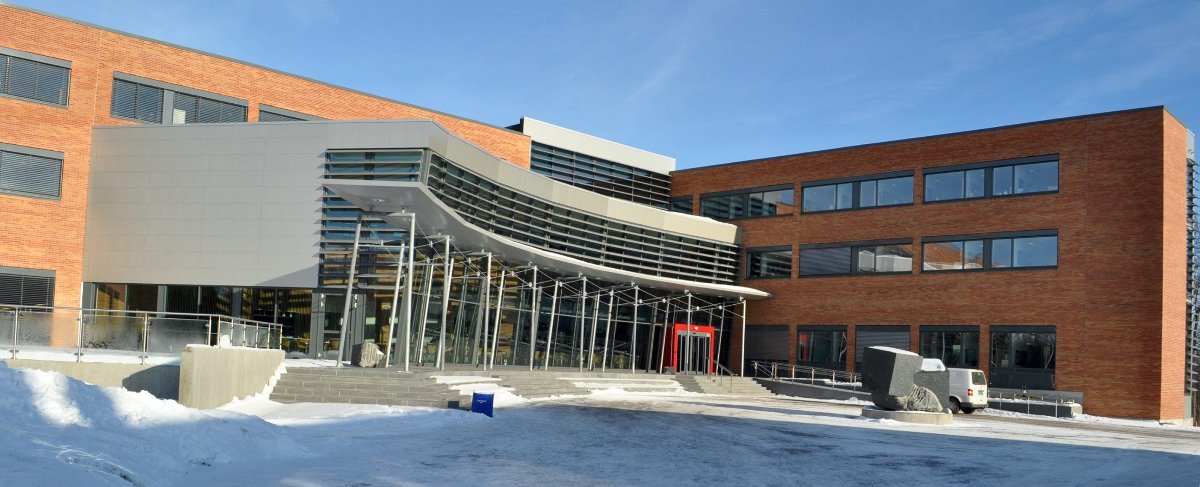
After the Captiva acquisition, I stayed on to help with the transition before eventually stepping away from Broentech Solutions. The company I’d built from a kitchen-table IoT experiment in Skoppum had grown into something real — a team of 10+ people, technology running in power plants across Norway and beyond, peer-reviewed research, and a place in the renewable energy ecosystem.
I moved into a CTO role at Kobben AS, where I spent the next few years leading technical teams, building products, and learning the parts of leadership that you can only learn by doing: hiring, culture, strategic trade-offs, the hard conversations. It was a different kind of challenge from founding a company, and it made me better. But the founding instinct never left. By late 2025, I knew it was time to build again.
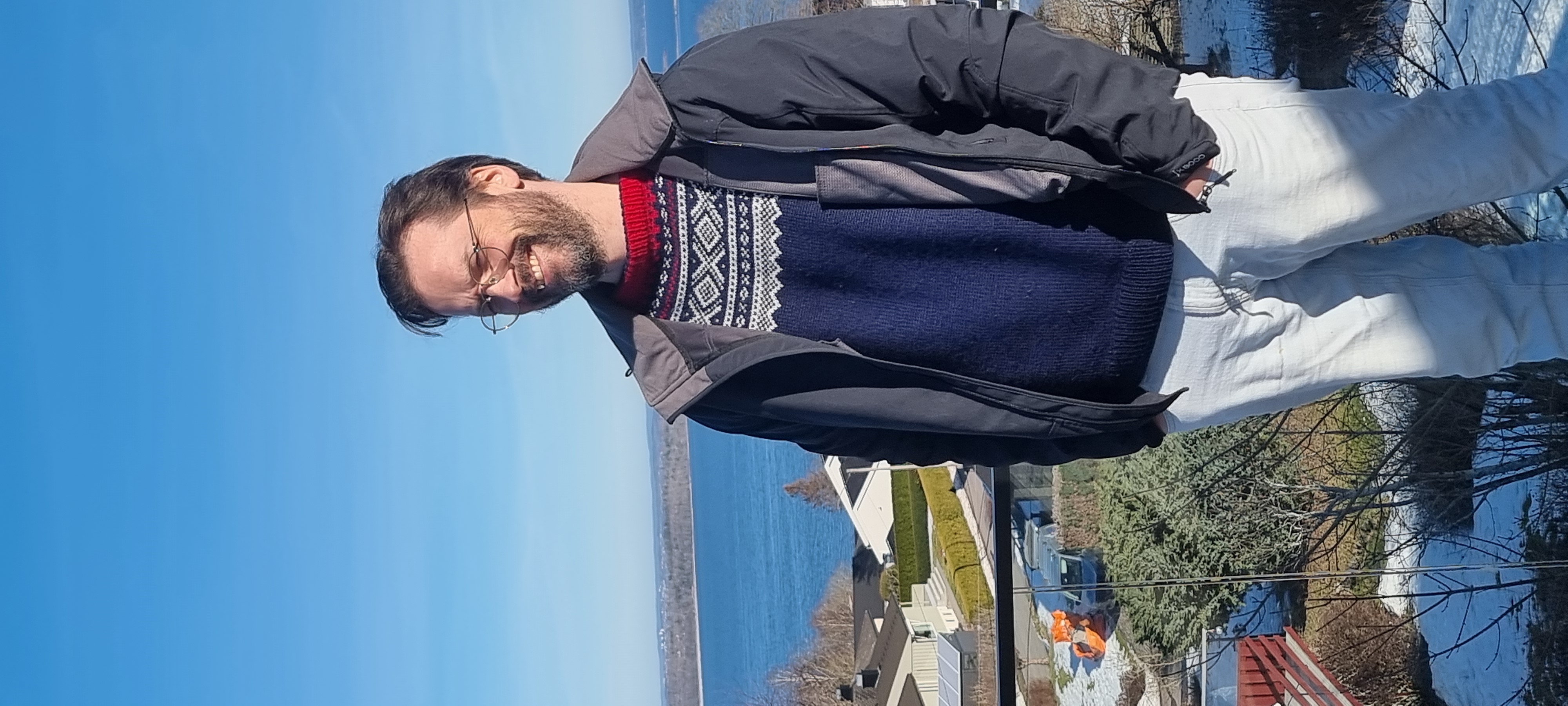
Broentech Sentinel AS is the next chapter. Same name — because the values haven’t changed. Same founder — because the experience has only deepened. But different in important ways.
Where Broentech Solutions grew into a team, Sentinel is designed to stay lean. One engineer with the experience from everything described above, now working with AI development tools that didn’t exist when Tyde was being built. Claude Code, LangGraph, agentic AI workflows — these tools have genuinely changed what a single developer can produce, though they work best when directed by someone who’s made the mistakes before.
The focus has shifted too. From hydropower to a broader canvas: ESG compliance (AINA), collaboration platforms (Eierskifte), GPU infrastructure (Fossefall), HR analytics (PAM), and technical advisory across multiple sectors. The thread connecting all of it is the same thing that connected the IoT experiments of 2012 to the machine learning models of 2020: turning complex data into decisions that matter.
Horten is still home. The technology ecosystem here — Electronic Coast, Silicia, USN, and all the companies that make this fjord town an unlikely tech hub — is still the ground I build on. Right now, I’m focused on AINA (ESG compliance automation), consulting engagements across collaboration platforms and GPU infrastructure, and figuring out what this new generation of AI tools makes possible for a small, focused practice.